Health and Safety Policy for Man With A Van Chelsea
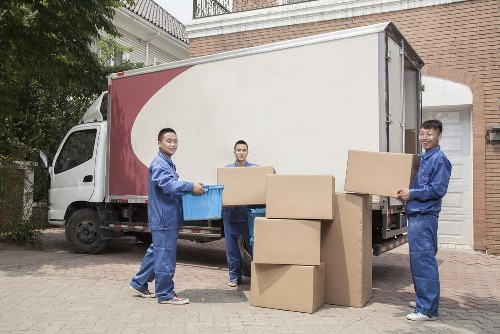 Man With A Van Chelsea is committed to maintaining a safe, responsible, and well-managed working environment for all staff, customers, and members of the public. This health and safety policy sets out the standards we follow to reduce risk during removals, transport, loading, unloading, and related handling tasks. Our aim is to ensure that every job is carried out with care, professional attention, and a consistent focus on preventing injury, damage, and avoidable disruption.
We recognise that moving goods, furniture, and equipment involves physical effort, changing surroundings, and the use of vehicles and lifting techniques. For that reason, the health and safety practices used by Man With A Van Chelsea are designed to support safe decision-making at every stage of the service. All workers are expected to act responsibly, follow instructions, and report hazards promptly so that risks can be controlled before they lead to harm.
Our policy applies to all operations, whether the work involves domestic items, office contents, single-item transport, or larger relocation tasks. It covers vehicle safety, manual handling, personal protective equipment, site awareness, and the management of incidents. Every member of the team must understand that safety is not optional; it is a core part of how man and van services are delivered and maintained.
Our Commitment to Safe Working
The company is committed to providing a workplace where hazards are identified early and controlled effectively. We expect all personnel to work in a way that protects themselves and others, including customers, building occupants, and pedestrians. Risk assessments are used where appropriate, and tasks are planned so that lifting, carrying, and vehicle movements are completed in a controlled and sensible manner.
We also make sure that equipment is suitable for the job and kept in good working order. This includes trolleys, straps, blankets, gloves, and any other items used to secure or move goods safely. When Man With A Van Chelsea staff notice defects, faults, or unsafe conditions, work must pause until the issue has been addressed. This approach helps ensure that van removals remain efficient without compromising safety.
At the middle of every operation, communication matters. Team members must coordinate with one another, use clear instructions, and confirm safe lifting and carrying plans before handling heavy or awkward items.  Good communication reduces confusion, limits rushed movements, and helps maintain a calm working environment, especially when access is restricted or conditions change unexpectedly.
Key Safety Responsibilities
All workers are responsible for following safe systems of work and using common sense when carrying out tasks. This includes wearing suitable footwear, using correct lifting posture, and avoiding actions that could create trip hazards or collisions. Where a load is too heavy, unstable, or difficult to manage safely, additional help or mechanical assistance must be used.
Manual handling is one of the main safety considerations in a man with a van operation. Loads should be assessed before lifting, with attention given to weight, shape, balance, and route. Staff must avoid twisting while carrying, keep paths clear, and never attempt to lift beyond their capability. Using proper technique helps protect backs, shoulders, and joints from strain.
Vehicle safety is equally important. Drivers must ensure that vehicles are roadworthy, clean, and loaded in a way that prevents shifting during transit. Items should be secured properly and stacked with care. Speed, parking, and reversing manoeuvres must always be carried out responsibly to protect passengers, other road users, and nearby property. Our Man With A Van Chelsea service is built around steady, controlled transport rather than rushed handling.
Workplace Risks and Control Measures
The environments we work in may include stairs, narrow corridors, uneven surfaces, poor lighting, and limited access. These conditions can increase the chance of slips, trips, falls, or accidental damage. Before work begins, the team should look for hazards and adjust the method of work where necessary. If conditions are unsafe, the job should be delayed until suitable controls are in place.
Protective equipment may be required depending on the task. Gloves, grip aids, and high-visibility clothing can help reduce risks in particular settings. Staff must use protective equipment correctly and keep it in usable condition. Clothing should be practical and should not create entanglement or movement problems while lifting or loading.
 Near the end of the working process, the team should carry out a final check to ensure all goods are secure, no tools have been left behind, and the area is left tidy. This helps prevent incidents after loading or unloading has finished and supports a professional standard across every man and van Chelsea assignment.
Incident Reporting and Review
Any accident, near miss, injury, or unsafe situation must be reported as soon as possible. Prompt reporting allows the business to respond quickly, support those affected, and investigate the cause. The findings from any incident should be used to improve procedures and reduce the chance of recurrence. Recording events accurately is an important part of maintaining a strong safety culture.
We review our safety arrangements regularly to make sure they remain effective and relevant to the type of work we carry out. Changes in workload, equipment, or working methods may require updates to the policy or additional staff instruction. Continuous improvement is essential to ensuring that van transport services remain safe, dependable, and professionally managed.
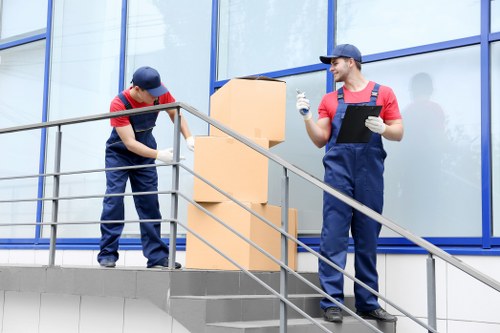 Above all, this policy reflects our commitment to care, accountability, and consistency. By maintaining safe working habits, respecting equipment, and applying practical controls, Man With A Van Chelsea aims to protect everyone involved in the moving process. Safety is part of every task we do, and it will continue to guide how our service is delivered day after day.