Sloane Square furniture removals insider tips
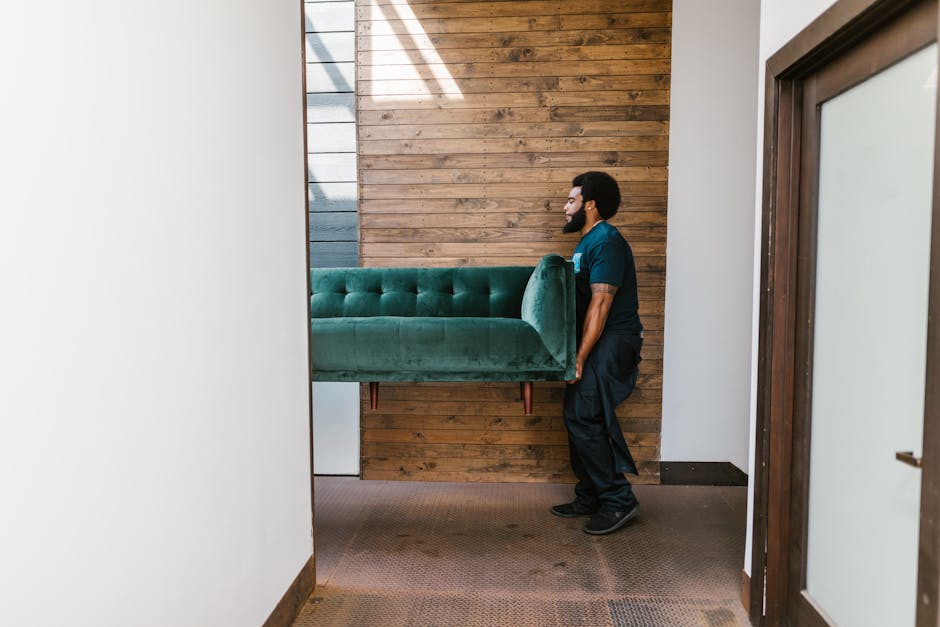
If you are planning a move around Sloane Square, you already know the tricky bit is rarely the distance. It is the doorways, the narrow access, the awkward corners, the parking pressure, and the sheer faff of getting a heavy sofa out without a ding on the wall. These Sloane Square furniture removals insider tips are designed to help you move smarter, not harder, whether you are shifting a single antique cabinet or an entire flat's worth of furniture.
Truth be told, good furniture removals in this part of Chelsea are usually won or lost before the van even arrives. The best moves feel calm because someone has thought through access, packing, timings, and the little details that everyone forgets until the day. This guide covers exactly that: how it works, what to watch for, what to prepare, and how to avoid the expensive little mistakes that can turn a simple job into a stressful one.
By the end, you will know how to plan a smooth Sloane Square furniture move, what to ask a mover, and when specialist help makes more sense than trying to wing it. Let's get into it.
Why Sloane Square furniture removals insider tips matters
Sloane Square sits in one of those London pockets where moving furniture is never just a lifting job. It is a logistics job. Buildings can have tight stairwells, shared entrances, controlled access, delicate floors, and neighbours who are not thrilled by the sound of a wardrobe scraping at 8am. So the practical value of Sloane Square furniture removals insider tips is simple: they reduce friction before it starts.
When a move is well planned, you are less likely to rush, damage something, or realise at the last minute that your oversized dining table will not clear the hallway. In our experience, most problems come from assumptions. People assume the item will fit. They assume the van can stop right outside. They assume a blanket is enough protection. Usually, one of those assumptions gets proven wrong. Quickly.
That is why local awareness matters. Chelsea streets, central London timings, and the realities of residential blocks all shape how the job should be handled. A mover who understands this will ask better questions, arrive with the right equipment, and plan for the awkward bits rather than pretending they do not exist.
How Sloane Square furniture removals insider tips works
The process is not complicated, but it does work best when it is treated as a sequence rather than a last-minute scramble. First comes assessment: what furniture is moving, where it is going, and what the access looks like at both ends. Then comes packing and protection. After that, loading, transport, and unloading in a way that keeps the items stable and the property protected.
For smaller moves, a man and van approach can be efficient if the items are straightforward and the distance is short. For heavier or more delicate pieces, it may make more sense to arrange dedicated furniture removals or even broader removal services. That decision usually comes down to volume, fragility, access, and how much hands-on help you need on the day.
There is also a timing element that people underestimate. London moves often run better when arranged with enough breathing room for building access, traffic, and parking realities. If your move needs to happen quickly, services such as same-day removals can be useful, but only when the scope is realistic and you are not asking a team to perform miracles with a solid oak sideboard and a staircase that turns sharply at the landing.
Here is the basic flow:
- List every item that needs moving, including awkward or high-value pieces.
- Measure furniture, doors, hallways, lifts, and stair turns.
- Protect surfaces, glass, corners, and fragile finishes.
- Choose the right vehicle and loading method.
- Confirm access, timing, and responsibilities in advance.
- Unload carefully and place furniture where it belongs, not just wherever there is space.
Key benefits and practical advantages
The main benefit of using insider-level planning is not just convenience. It is control. When you know what to expect, you make better choices about packaging, labour, vehicle size, and timing. That saves money in some cases, but more importantly it saves stress. And stress, as anyone who has moved in London knows, can be contagious.
Good planning also helps protect the actual furniture. A scratched table, a split cabinet leg, or a crushed lamp base can cost more than the original moving fee. For that reason, it is often worth combining your move with proper packing support. If you need boxes, wrap, or guidance on protecting household items, packing and boxes services can make the whole process much tidier.
Another advantage is speed. A move that has been measured and packed intelligently usually finishes faster because nobody is stopping every ten minutes to rethink the plan. That can matter a lot in busy areas around Sloane Square, where building access windows or parking arrangements can be tight.
Finally, a well-managed move gives you a better sense of confidence. You know what is happening. The furniture is handled properly. The day feels organised rather than improvised. Small thing? Maybe. But on moving day, small things become the whole game.
Who this is for and when it makes sense
This approach is useful for a wide range of people, but it is especially valuable if you are moving from a flat, a townhouse, or a managed building where access is not especially generous. It also makes sense if you have any heavy, fragile, or unusually shaped furniture.
You may benefit most if you are:
- moving within Sloane Square or nearby Chelsea streets
- relocating from a flat with stairs or limited lift access
- handling antiques, mirrors, marble tops, or glass furniture
- combining a furniture move with a larger household relocation
- moving office furniture or mixed business items
- short on time and need practical help rather than a vague promise
For people moving home, it can be efficient to pair furniture transport with home moves or, where the property is a flat, flat removals. For businesses, furniture logistics may be part of a larger commercial moves plan.
If you only have one or two items, a full removal truck can be overkill. If you have a lot of furniture, trying to manage it all in a small van can become a bit of a puzzle. Not impossible. Just fiddly in a way that nobody enjoys at 6.30 in the morning.
Step-by-step guidance
1. Start with a proper inventory
Write down every item that is moving. Include tables, chairs, wardrobes, beds, shelves, mirrors, and anything with glass, marble, or a fragile finish. If a piece is dismantlable, note that too. A simple inventory helps you choose the right vehicle and the right amount of labour.
2. Measure the awkward parts first
Measure the furniture itself, then measure door frames, stair widths, lifts, tight corners, and any route from the property to the vehicle. This is the kind of work people skip because it feels tedious. Then they discover the sofa is half an inch too wide for the hallway. Not ideal.
3. Decide what should be dismantled
Large beds, dining tables, desks, and wardrobes often travel better when taken apart. Keep screws, bolts, and fittings in labelled bags. Tape them to the item or keep them together in one clearly marked box. If a piece has complex fittings, it may be smarter to let the movers handle it rather than turning the living room into a weekend project.
4. Protect surfaces properly
Use blankets, wraps, and corner protection. Glass panels need special care, and polished wood can mark very easily. The goal is not to cocoon everything like a museum exhibit. It is to create enough cushioning that a sudden stop, a doorway bump, or a tight turn does not leave a permanent reminder.
5. Book the right move type
For one-off items, a man with a van or man with van option can be practical. For more involved jobs, especially where larger furniture or multiple rooms are involved, a dedicated van or truck may be a better fit. If you need bigger capacity, you may want to consider removal van or moving truck arrangements.
6. Confirm access and arrival timing
In London, access timing matters a lot. Confirm where the vehicle can wait, whether there are building restrictions, and whether anybody needs to be buzzed in. A mover who arrives without access information can lose time fast. Sometimes it is only a few minutes; sometimes it turns into a full delay.
7. Load in the right order
Heaviest items should usually go in first, with fragile and lighter items secured away from movement. Keep straps, blankets, and tie-downs available. Items should not slide around the van floor; that is where damage happens. If the load feels loose, it probably is loose.
8. Unload with placement in mind
Tell the team where each item should go before unloading begins. It sounds obvious, but people often forget. Then they end up shifting a wardrobe three times because nobody wanted to say, "Actually, not there."
Expert tips for better results
The most useful insider tips are often the least glamorous. They are the little habits that make the whole move behave better.
Tip 1: Photograph valuable items before the move. This gives you a clear record of condition beforehand. It is not about expecting trouble; it is about being sensible. A quick photo takes seconds.
Tip 2: Use the right packing material for the item, not just whatever is nearest. A mirror needs more than a tea towel and hope. A dining chair with delicate legs needs different handling from a metal shelf unit. Different material, different protection. Simple as that.
Tip 3: Label items by room and priority. If the first box you need is hidden behind six others, that is a headache for later. A strong labelling system saves time on the receiving end, especially if you are mixing furniture with boxes.
Tip 4: Schedule the move outside your personal rush hour. If you know you are not at your best early in the morning, do not plan to make ten decisions before breakfast. Be honest about your energy levels. Moving day can be a bit of a marathon, even if it is only one van load.
Tip 5: Keep an essentials bag away from the furniture load. Keys, phone, charger, snacks, water, tape, pen, and a copy of key instructions should be somewhere easy to reach. You do not want to be searching under a blanket pile for the one screwdriver you need.
When delicate or high-value items are involved, insurance and handling standards become more important. It is wise to check that the mover has clear safety expectations and a sensible process for protecting property. That is where pages like insurance and safety and health and safety policy can give you peace of mind before you book.
Common mistakes to avoid
Most avoidable moving problems come from the same handful of errors. The good news is, they are very avoidable once you know what to look for.
- Not measuring properly. This is the classic mistake. It sounds small. Then the furniture gets stuck.
- Assuming the vehicle size will not matter. It matters. A lot. Underestimating the load can create extra trips and extra cost.
- Leaving dismantling until the morning of the move. That is how tiny bolts go missing and tempers rise.
- Using weak packing on fragile pieces. Cardboard alone is not enough for many items.
- Forgetting to protect floors and walls. Hallways and stair corners in particular can take a beating if nobody plans ahead.
- Not confirming access. A move can be perfectly prepared and still run late because a building entry code was never shared.
- Putting everything into one room without labels. That creates chaos at the destination. Chaos with furniture is especially annoying.
One mistake that catches people out in Chelsea is overconfidence about street access. It is easy to think, "We'll just park outside." Sometimes you can. Sometimes you really cannot. Better to ask early than to discover it on the day while standing by the kerb looking at a parked car that has absolutely no intention of moving.
Tools, resources and recommendations
You do not need specialist kit for everything, but a few tools make life noticeably easier.
- Measuring tape for furniture dimensions, access points, and clearance checks
- Furniture blankets to prevent scratches and edge damage
- Stretch wrap for drawers, doors, and loose parts
- Strong tape and marker pens for labelling and securing fittings
- Allen keys, screwdrivers, and a small tool kit for dismantling
- Gloves and grippy footwear for safer handling
- Trolley or moving straps for heavier pieces where appropriate
If you want help beyond simple transport, it can be worth combining your move with packing and unpacking services. That is especially handy if you are short on time or moving into a property that needs organisation from the start rather than a pile of boxes in the hallway.
For furniture only, furniture pick up may be a good fit if you are collecting or transferring a single item, while a broader removals service makes more sense for multi-item or whole-property moves. If you are not sure which route suits your move, a quick comparison with removal companies can help you gauge the level of support you actually need.
Law, compliance, standards, or best practice
For most furniture moves, you do not need to memorise legal text, but there are still sensible standards to respect. In the UK, movers and customers alike should pay attention to safe lifting, careful loading, clear communication, and fair handling of goods. That is just good practice, plain and simple.
If a move involves stairs, heavy items, or shared spaces, safe manual handling matters. Likewise, if you are moving from or into managed premises, building rules should be followed. That can include lift booking, access windows, and protecting common areas. If parking or stopping restrictions apply near Sloane Square, the mover should plan accordingly rather than improvising and hoping for the best.
Insurance is another point worth checking without being dramatic about it. You are not looking for grand promises. You are looking for clarity: what is covered, how items are handled, and what the process is if something goes wrong. Reputable operators should be able to explain that in straightforward language, along with their terms and conditions. If you want a broader view of policy expectations, the site's terms and conditions and payment and security pages are useful to review before booking.
For environmentally aware customers, it is also sensible to ask what happens to packaging and unwanted items after the move. Responsible handling and recycling choices can reduce waste. If that matters to you, the recycling and sustainability page is worth a look.
Options, methods, or comparison table
Different move types suit different situations. Here is a practical comparison to help you decide, without overthinking it.
| Option | Best for | Strengths | Watch-outs |
|---|---|---|---|
| Man and van | Small furniture loads, short local moves | Flexible, often efficient, suitable for quick jobs | Can be too small for bulky or multiple items |
| Furniture removals | Individual items or grouped furniture pieces | Focused handling, more suitable for delicate pieces | May not suit full-house volume |
| Removals service | Mixed loads, fuller home moves | Broader support, better for organised relocation | Can be more than you need for one item |
| Removal van or truck | Heavier or larger loads | More space, better load stability | Needs clearer planning and access coordination |
If you are moving only a sofa, table, and a few chairs, a smaller setup may be perfectly fine. If you are moving a whole living room plus bedroom furniture, it starts to make more sense to think in terms of a broader removal solution. A tiny vehicle can be charming until you realise the second trip is not optional.
Case study or real-world example
Consider a fairly typical Chelsea scenario: a client in a top-floor flat near Sloane Square needed to move a large sofa, a coffee table, a wardrobe, and a dining set into storage before a refurbishment. Nothing wildly unusual, but the route out of the property was tight, and one piece of furniture had glass panels.
What made the difference was preparation. The furniture was measured in advance. The wardrobe was dismantled the day before, not on the morning. Glass elements were wrapped separately. The access route was cleared, floor protection was placed where needed, and the team knew which item was going into storage first so it could be loaded last and unloaded first. A small detail, but a helpful one.
The move itself was not flashy. It did not need to be. It was calm, organised, and finished without the usual drama of "Where are the bolts?" and "Does that fit through there?" That is the real insider tip, if we are honest: the best furniture removals often look boring from the outside. And boring is lovely on moving day.
For situations where items need to be stored briefly between properties, storage can be a smart bridge. It gives you breathing room if keys are delayed, decorating runs over, or you are simply not ready for everything to go in at once.
Practical checklist
Use this before move day so nothing important gets missed.
- List every furniture item to be moved
- Measure each large or awkward piece
- Measure doors, halls, stairs, and lifts
- Confirm whether furniture needs dismantling
- Bag and label screws, fittings, and small parts
- Protect delicate surfaces with suitable wrapping
- Check access, parking, and building entry details
- Decide whether you need a van, truck, or full removals support
- Set aside fragile or high-value items for special handling
- Prepare a clear unloading plan for the destination
- Keep essentials, keys, and documents separate from the load
- Review any terms, insurance notes, and payment details in advance
If you are a student moving out of a compact space or shared accommodation, the same checklist still applies, just on a smaller scale. In that case, student removals can be a practical fit for lighter loads and tighter budgets.
Conclusion
Sloane Square furniture removals insider tips are really about making good decisions before the lifting starts. Measure properly, pack carefully, confirm access, choose the right level of help, and keep the plan simple enough that everyone can follow it on the day. Do those things and the move becomes far more manageable, even in a busy part of London where space is at a premium and timing matters.
There is no magic trick, just solid preparation and the right kind of support. A bit of planning now usually saves a lot of noise, stress, and last-minute improvising later. And that is probably the nicest outcome anyone can ask for when there is a sofa involved.
Get a free quote today and see how much you can save.
When the day comes, the goal is simple: steady hands, clear decisions, and a smooth move that lets you breathe again by the end of it.
Frequently Asked Questions
What is the best way to plan furniture removals around Sloane Square?
Start with measurements, access checks, and a full furniture inventory. In busy central London locations, planning the route and vehicle size is just as important as packing the items themselves.
How far in advance should I book a furniture removal service?
As early as you can if you have a preferred date or a larger move. For simple local jobs, shorter notice may be possible, but early booking usually gives you more flexibility.
Do I need to dismantle furniture before the movers arrive?
Not always. Smaller pieces may move intact, but larger wardrobes, tables, and bed frames often travel better if dismantled. If you are unsure, ask in advance rather than guessing on the day.
Is a man and van service enough for furniture removals?
It can be, if the load is small and access is straightforward. For larger or more delicate items, a dedicated furniture removals or removals service may be more suitable.
How do I protect delicate furniture during the move?
Use proper blankets, wrap, and corner protection. Glass, polished wood, and high-value finishes need more than basic cardboard. Careful loading matters too.
What should I do if my building has restricted access?
Tell the mover early and provide the access details, lift rules, and any entry codes. Restricted access is common in London, so the move should be planned around it.
Are same-day removals a good idea for furniture moves?
They can work for simple, well-defined jobs. If the furniture is bulky, fragile, or needs dismantling, it is usually better to book with more lead time.
How do I know whether I need storage as well?
If you do not have keys yet, your new place is not ready, or you want to move in stages, storage can be a useful buffer. It is especially handy during refurbishments or delayed completions.
What is the biggest mistake people make with furniture removals?
Not measuring properly. That one mistake causes most of the awkward surprises, from items not fitting through doors to vehicles being too small for the load.
Can furniture removals include just one item?
Yes, many moves are for a single item such as a sofa, wardrobe, or dining table. Furniture pick-up and smaller van-based options can be suitable for that kind of job.
What should I ask before booking a mover?
Ask about access planning, protection for fragile items, vehicle size, timing, insurance, and payment terms. Clear answers now save stress later.
How do I keep a moving day from becoming chaotic?
Label everything, pack the essentials separately, and tell the mover where each item goes before unloading starts. Calm preparation really does make a difference.
